
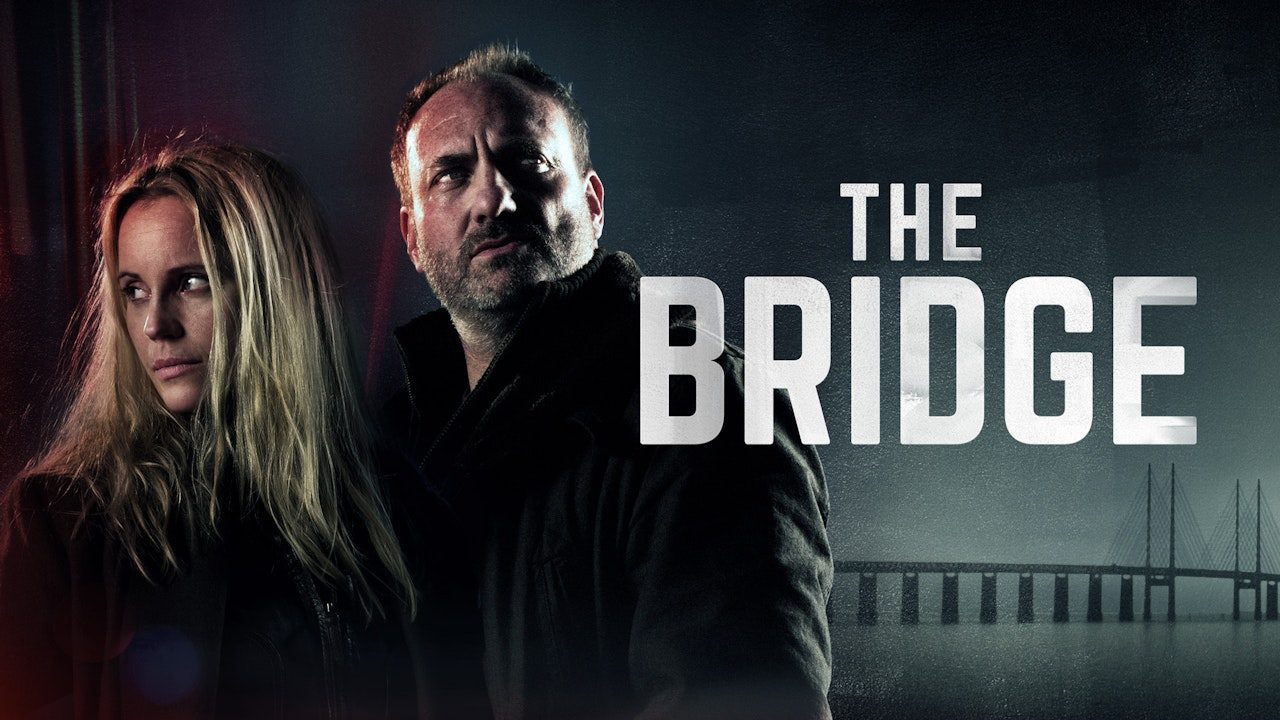
The Bridge Shop: Behind the Scenes of the Hit TV Series
When the first episode of the hit TV series aired, viewers were instantly drawn to the mysterious, weathered structure that seemed to be the story’s heartbeat. Behind that iconic silhouette lies a bustling creative hub where sets are built, props are forged, and every visual clue is meticulously planned. This behind‑the‑scenes look dives deep into the world of The Bridge Shop, revealing how a simple concept became a cultural phenomenon.
The Bridge Shop: From Script to Set
Every great series starts with a spark of imagination, and for this show, that spark was a handwritten note about a forgotten bridge connecting two rival towns. The producers imagined a place where secrets could be exchanged under the cover of fog, and they turned to The Bridge Shop to bring that vision to life.
The creative team gathered in a modest studio, sketching rough layouts on napkins before handing the concepts to the senior set designer. The designer’s job was to translate those sketches into a three‑dimensional space that felt both authentic and cinematic.
In weekly meetings, writers consulted with The Bridge Shop’s artisans, ensuring that each plot twist had a physical anchor—whether it was a rusted chain or a hidden compartment—so the set could tell its own story alongside the actors.
Designing the Iconic Set
Constructing the bridge was no small feat. The team sourced reclaimed timber from old warehouses, giving the structure a weathered look that could not be replicated with CGI alone. Each beam was treated with a custom blend of stains and sealants to achieve the perfect balance of decay and durability.
Lighting designers worked hand‑in‑hand with The Bridge Shop’s carpenters, embedding practical lanterns into the railing to create natural pools of light. These fixtures were carefully positioned to cast dramatic shadows, heightening the tension during pivotal scenes.
Behind the scenes, a crew of dozens of craftsmen—metalworkers, painters, and riggers—labored for weeks, assembling the bridge piece by piece. Their dedication ensured that when the camera rolled, the set could withstand the physical demands of action sequences while maintaining its visual integrity.
Costumes, Props, and the Magic of Detail
Costume designers turned to The Bridge Shop’s prop specialists to source period‑accurate accessories. Hand‑stitched leather boots, tarnished pocket watches, and rusted tools were all crafted in‑house, providing actors with tactile items that enhanced their performances.
Each prop was catalogued with a unique identifier, allowing the continuity team to track its usage across episodes. This rigorous system prevented inconsistencies—such as a character suddenly holding a different weapon—maintaining the series’ credibility.
Even the smallest details, like specks of moss on a rail or the faint crackling of a rope, were recorded in The Bridge Shop’s sound library. These audio cues, layered into post‑production, added an immersive layer that viewers often overlook, but which deepens the overall atmosphere.
Impact, Fan Response, and What Lies Ahead
Since its debut, the series has sparked fan forums, cosplay conventions, and countless online discussions about the hidden meanings embedded within The Bridge Shop’s set pieces. Viewers dissect each episode, pointing out subtle clues—like an overlooked graffiti tag—that hint at future plot twists.
The production’s commitment to authenticity has earned praise from critics, who highlight the seamless integration of set design and storytelling. By allowing the environment to become a character in its own right, the show sets a new standard for visual narrative.
Looking forward, the creators have hinted at expanding the universe through spin‑offs that will explore other locations built by The Bridge Shop. As the series continues to evolve, fans can anticipate more intricate sets, richer backstories, and unforgettable moments that originate from the same dedication to craftsmanship that made the original bridge legendary.


